Energy costs in the UK have risen significantly in recent years, forcing both homeowners and businesses to look for smarter ways of using and saving energy. Air conditioning, once considered an expensive luxury, has now adapted to these demands through advanced energy efficient systems.
From modern split units with A+++ energy ratings to hybrid heat pumps, today’s systems are designed to reduce electricity bills by 20–40%, cut carbon emissions, and support the UK’s long‑term sustainability targets.
This guide explores how energy efficient air conditioning in the UK works, the latest eco‑friendly technologies, and the financial/environmental benefits of upgrading.
What Does Energy Efficient Air Conditioning Mean in the UK?

Energy efficiency in AC refers to systems that deliver the same cooling/heating output while consuming less energy. UK and EU-standard SEER (Seasonal Energy Efficiency Ratio) and SCOP (Seasonal Coefficient of Performance) ratings are used to define efficiency levels.
Key features of efficient AC units:
- Inverter technology (variable speed compressors)
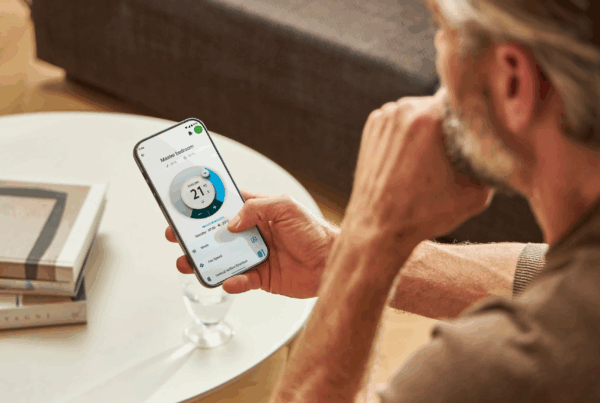
- Smart thermostats and WiFi controls
- Sensors to detect room occupancy and temperature
- Eco‑friendly refrigerants (R32, low GWP alternatives)
Why Energy Efficient Air Conditioning Matters for Homes and Businesses in the UK
- Rising energy prices → Every kilowatt saved directly reduces bills.
- Government Net Zero targets 2050 → Businesses will increasingly be required to lower emissions.
- Corporate sustainability initiatives → Companies with eco policies attract customers and investors.
- Environmental impact → Lower power demand reduces greenhouse gases.
Best Energy Efficient Air Conditioning Systems in the UK (Split, Multi‑Split, VRF, Heat Pumps)

Inverter Split & Multi-Split Systems
Automatically adjust compressor speed to reduce wasted energy.
- 30–35% more efficient than older non‑inverter models.
Heat Pump Air Conditioning

Dual systems that provide both heating and cooling function.
- Save up to 50% energy compared to electric radiators.
- Eligible for certain government grants in the UK.
VRF Systems for Commercial Buildings

Can heat and cool different zones simultaneously.
- Ideal for offices and large businesses.
- Reduces wasted energy by adapting to occupancy.
Hybrid Solar AC

Integrates with solar panels.
- Greenest option, nearly zero-net energy use (depending on setup).
How Much Money Can Energy Efficient Air Conditioning Save UK Homeowners and Businesses?
| System Type | Efficiency | Potential Savings |
|---|---|---|
| Standard Non‑Inverter | Low | Baseline |
| Inverter Split | +30% | Save £150–£300/year |
| Heat Pump Hybrid | +40–50% | Save £300–£500/year |
| VRF Commercial | +25–40% | Save £1,000s in large offices |
Eco-Friendly Refrigerants for Energy Efficient Air Conditioning in the UK (R32, HFOs)
The UK has phased down harmful refrigerants like R22 and R410A. Today’s efficient systems use:
- R32: lower GWP, more efficient.
- HFOs: sustainable long‑term refrigerant options.
This reduces carbon impact and ensures systems meet F‑Gas regulations.
Top Tips to Improve Air Conditioning Efficiency and Reduce Energy Bills in the UK

✅ Set thermostat to 21–23°C (not extreme settings).
✅ Use programmable smart thermostats.
✅ Insulate rooms and seal leaks.
✅ Regular servicing & filter cleaning.
✅ Zone control – cool only occupied areas.
UK Case Studies: Real Energy Savings with Efficient Air Conditioning Systems

- London Homeowner: Installed inverter split unit → saved ~£250/year on bills.
- Birmingham Office: VRF system reduced energy costs by 35%, savings of over £4,000/year.
- Retail Chain: Implemented smart scheduling, prevented overnight energy waste → 20% utility reduction.
Future Trends in Energy Efficient Air Conditioning for the UK Market

- AI‑powered predictive cooling → anticipates usage patterns.
- Integration with Smart Grids → units run when electricity is cheapest.
- Government support → more rebates and grants expected for eco AC.
- Net Zero push → energy efficient AC will become mandatory for many businesses by 2030.
Energy Efficient Air Conditioning UK – Frequently Asked Questions
Yes, energy efficient air conditioning systems in the UK are generally more expensive upfront compared to older or non‑inverter models. A typical split system with A+++ efficiency can cost between £1,800–£3,000 installed, while a standard system may be £300–£500 cheaper. However, this initial difference is usually recovered within just 2–4 years thanks to reduced electricity bills. Inverter technology allows the compressor to run at variable speeds, meaning it uses only as much energy as needed. This results in energy savings of up to 30–40% per year, while also extending the lifespan of the unit. For UK households, this can translate into £150–£300 annual savings, and for businesses much more. So while the upfront cost is slightly higher, the long‑term cost of ownership is far lower, making energy efficient air conditioning the smarter investment.The most eco‑friendly air conditioning options in the UK combine inverter technology, heat pump functionality, and low‑impact refrigerants such as R32 or HFO blends. Systems integrated with renewable energy — such as solar‑assisted air conditioners — are considered the greenest available. These units can operate at nearly net‑zero energy use, depending on the solar setup. For businesses and homes looking to achieve maximum sustainability, VRF/VRV systems with advanced controls allow simultaneous heating and cooling in different areas, meaning no wasted energy. Additionally, eco‑friendly AC reduces CO₂ emissions, supports compliance with UK environmental regulations, and prepares households and businesses for the push towards net‑zero carbon targets. In short: heat pumps + inverter + R32 refrigerant + smart controls + renewable integration are the winning formula for long‑term energy efficiency and environmental performance in the UK.
Savings depend on the size of the property and the system type, but typical UK households save 150-300 per year after upgrading to an inverter-based split system. Businesses, especially offices or retail outlets, can save significantly more. For example, a Birmingham office that switched to a VRF (Variable Refrigerant Flow) system reduced energy bills by 35%, saving over 4,000 annually. In retail chains, introducing smart scheduling and preventing overnight cooling waste can cut utility bills by 20% or more. Over a 10-year lifespan, these savings add up to thousands of pounds in reduced costs. When factoring in the increased comfort, reduced downtime, and enhanced property value, the financial benefits far outweigh the initial investment.
Yes, the UK government offers various grants, tax reliefs, and incentives for low-carbon heating and cooling systems, especially heat pumps. Under schemes such as the Boiler Upgrade Scheme (BUS), households installing air source or ground source heat pumps can receive grants worth thousands of pounds. While direct funding for cooling is limited, the trend is towards subsidising any energy efficient and eco-friendly HVAC system that helps reduce emissions. Additionally, businesses investing in energy-saving equipment may also claim capital allowances under the Annual Investment Allowance (AIA). As sustainability targets tighten towards 2030 and 2050, it is expected that government support for energy efficient air conditioning in the UK will expand further.
Why UK Homes and Businesses Should Choose Energy Efficient Air Conditioning

Energy efficient air conditioning in the UK is more than a technological upgrade – it is a financial and environmental investment. By lowering running costs, reducing emissions, and aligning with government sustainability goals, these systems provide real value for both households and businesses.
With inverter split units, VRF systems, and hybrid heat pumps, there are solutions to suit every need. The result: lower bills, greater comfort, and a greener future.