The UK has traditionally had mild summers, but in the last decade heatwaves have become more frequent and extreme. As a result, more homeowners are looking to install reliable air conditioning systems that provide year-round comfort. Once considered a luxury, home air conditioning in the UK is now becoming an essential feature for many households.
This guide covers everything you need to know: the different types of residential AC systems, installation costs, running expenses, energy efficiency, and how to choose the ideal solution for your home.

Why is Air Conditioning Becoming Popular in UK Homes?
The combination of hotter summers, rising property values, and the availability of energy-efficient technology has changed the perception of air conditioning in the UK.
- Climate change: UK summers now surpass 35C in regions like London and Birmingham.
- Home comfort: Greater demand for year-round comfort, especially when heating and AC can be combined.
- Work from home era: Remote work means people want comfortable working environments in their houses.
- Property value: Homes with modern climate systems are perceived as more attractive on the market.
Types of Home Air Conditioning Systems in the UK
Split System Air Conditioners

- Most common option for UK homes.
- Comprises an indoor wall-mounted unit + an outdoor condenser.
- Ideal for individual rooms.
- Pros: efficient, quiet, relatively affordable.
- Cons: installation requires external wall access.
Multi-Split Systems
- A single outdoor unit connected to multiple indoor units.
- Perfect for houses with several rooms that need cooling.
- Pros: cost-effective vs buying multiple split systems.
- Cons: more complex installation.
Portable Air Conditioners
- Standalone units with flexible exhaust hoses.
- Plug-and-play option, no professional installation.
- Pros: cheaper upfront cost, mobile.
- Cons: less efficient, noisier, limited cooling capacity.
Ducted / Central AC Systems

- Rare in UK homes, but ideal for larger or luxury properties.
- Integrated into the house with ducts hidden in walls/ceilings.
- Pros: even cooling, invisible design.
- Cons: high upfront cost, significant installation work.
Smart & WiFi Air Conditioning

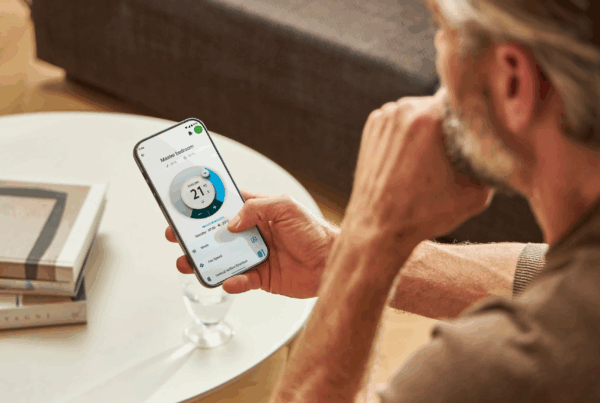
- Modern split/multi-split with smartphone app controls.
- Voice control integration with Alexa, Google, Siri.
- Best choice for those seeking convenience and efficiency.
How Much Does Home Air Conditioning Cost in the UK (2025)?
Costs vary depending on system size, brand, and property requirements.
| System Type | Installation Cost Range | Running Costs (Annual) |
|---|---|---|
| Portable Unit | 250 – 600 | 100 – 200 |
| Single Split | 1,750 – 3,000 | 150 – 400 |
| Multi-Split (3-4 rooms) | 3,500 – 6,500 | 300 – 650 |
| Ducted/Central | 8,000 – 15,000 | 600 – 1,200 |
Factors that influence cost:
- Property size
- Number of rooms
- Energy efficiency rating
- Season of installation (cheaper out of summer peak)

Running Costs & Energy Efficiency
Homeowners often hesitate because of energy bills, but modern AC systems are designed for efficiency.
Tips for reducing costs:
- Choose A+++ rated appliances.
- Use programmable thermostats and smart apps.
- Insulate rooms properly to reduce load.
- Regular AC maintenance (clean filters every 3 months).
Example: A modern split AC consumes approx. 500-800 kWh per year, which translates to 150-250 annually – similar to running a washing machine.
Benefits of Installing Home Air Conditioning
✅ Better comfort during heatwaves
✅ Health improvements: cleaner filtered air, reduced allergens
✅ Better sleep with optimal night cooling
✅ Increased home value
✅ Can also provide heating (reverse cycle units)
Smart AC Features for UK Homes
Smart technology is revolutionising comfort in British homes:
- Remote control via smartphone
- Integration with smart meters and smart grids
- Voice command compatibility
- Energy monitoring dashboards
This is particularly useful for families with varying schedules, ensuring each room is cooled only when needed.
Environmental Impact: Eco Options

Many systems now offer eco-friendly features:
- Use of low-GWP refrigerants (R32 instead of R410A).
- Integration with renewable energy (solar panels).
- Advanced sensors for optimised operation.
Installation & Maintenance
Installation
Always handled by certified F-Gas engineers in the UK. Correct installation determines 70% of performance.
Maintenance Tasks
- Clean filters every 2-3 months
- Yearly servicing by professionals
- Check refrigerant levels & drainage pipes
Proactive maintenance avoids higher repair costs and extends system life from 10 years 15-20 years.

Common Questions (FAQ)
Yes, summers are hotter than ever. AC is also useful for heating in winter (reverse cycle units).
Split systems = usually 1-2 days. Multi-split or ducted = several days.
Yes, buyers see homes with climate control as future-proof and more comfortable.
Portable units are cheapest upfront, but split systems are most cost-efficient long-term.
Future of Residential Air Conditioning in the UK
- Growing adoption of heat pump hybrids (AC + heating).
- Expected government incentives for eco-friendly AC/heat pumps.
- AI-powered “learning” systems that adjust cooling automatically.
- Wider adoption of solar-powered AC systems.
Home air conditioning in the UK has shifted from a luxury to a necessity due to climate change, remote work lifestyles, and rising expectations for comfort. With modern, energy-efficient split and smart systems, homeowners no longer need to fear high bills or poor environmental impact.
Whether you are looking for a single room solution, a multi-room setup, or a full ducted system, there are options tailored to every budget and home type. By choosing a certified installer and maintaining your system regularly, you can enjoy comfort, healthier air, and a higher property value for years to come.