
Air conditioning has transformed from being a “luxury add‑on” to an essential comfort solution in both homes and workplaces. In the UK, where summers are becoming hotter and energy costs continue to rise, there is a growing need for efficient, controllable, and environmentally friendly solutions.

The latest leap forward in this space is the rise of smart air conditioning systems, powered by WiFi connectivity and integrated smart thermostats. These systems allow homeowners and business managers to control their indoor climate remotely, save energy, monitor performance, and create customised schedules that fit their lives and operations.
But what exactly are the benefits of these WiFi-enabled AC systems, and why should UK homes and businesses consider upgrading? This comprehensive guide explains all the key advantages, from convenience and cost‑saving to health improvements and sustainability.
What is a Smart WiFi Air Conditioning System?
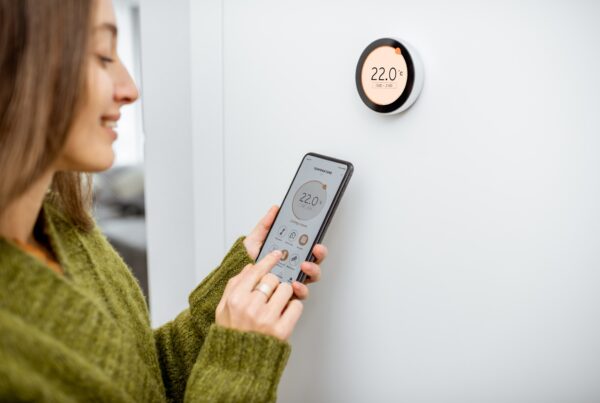
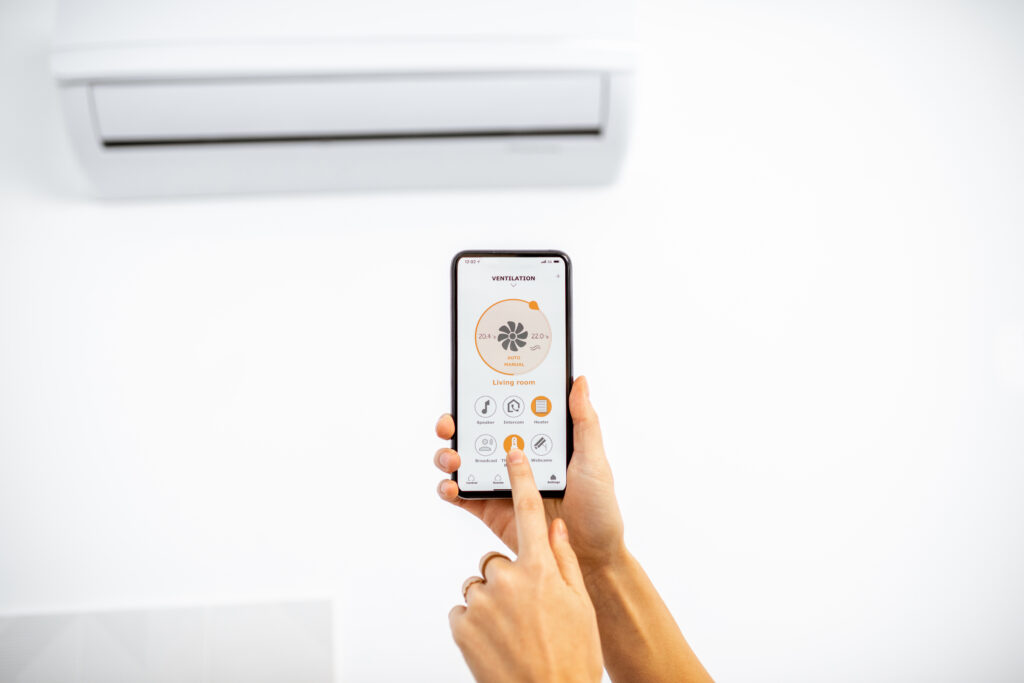
A smart WiFi air conditioning system is an AC unit with built‑in wireless connectivity. Instead of relying solely on traditional remotes or wall‑mounted controllers, it connects to your home or office WiFi network and can be accessed through:
- A smartphone or tablet app
- Web-based dashboards
- Voice assistants like Amazon Alexa, Google Home, or Apple Siri
This connection means greater flexibility and functionality: whether you’re sitting on the sofa, away on holiday, or managing an office building, you can adjust your air conditioning instantly.
Core features include:
- Remote control of temperature, mode, and fan speeds
- Creation of schedules for different times of the day/week
- Energy consumption tracking and insights
- Notifications for maintenance needs (e.g., filter replacement)
- Integration with other smart devices (smart blinds, alarms, heating systems, etc.)
Benefits of Smart WiFi Air Conditioning Systems
Convenience and Remote Management
Say goodbye to coming back to a hot house or a stuffy workplace after a weekend away. With WiFi-enabled air conditioning, you can adjust your space’s temperature before you return, enhancing comfort and productivity. Parents can control their children’s room temperature remotely using their smartphones, while facility managers can oversee multiple office locations without being physically present. The main appeal lies in the convenience it offers.
Energy Efficiency and Cost Savings
In light of the recent rise in UK energy prices, efficiency has become crucial. Smart air conditioning systems play a significant role by:
- Monitoring energy usage in real-time
- Automatically adapting settings based on occupancy
- Providing usage reports to identify inefficiencies
Some systems even adjust to your habits to ensure that empty rooms are not needlessly cooled. Studies suggest that energy bills can drop by 20–30% after smart air conditioning and thermostats are installed.
Customized Scheduling
Instead of a fixed setting, users have the flexibility to create personalized schedules, such as:
- “Day mode” for offices during working hours
- “Night mode” for bedrooms to aid restful sleep
- Automatic shutdown when there is no one present
This leads to consistent comfort, less manual intervention, and sustained energy conservation.
Integration with Smart Homes and Offices
A key advantage is the seamless integration with other smart systems, allowing for:
- Smart blinds that adjust to assist cooling during peak heat hours
- Smart security features that turn off the air conditioning in unoccupied buildings
- Voice assistants for hands-free temperature control
This integration fosters a modern and seamless living and working environment.
Healthier Indoor Air Quality
Indoor air quality is crucial for well-being and productivity. Many smart units come with sensors for real-time air monitoring, reminding users to change filters, initiating cleaning cycles automatically, and detecting humidity levels. This helps reduce allergens, pollutants, and creates healthier breathing spaces, particularly important for households with children or workplaces aiming to minimize sick days.
Smart AC Benefits for Homes
- Instant comfort: Pre-cool your home before leaving work for a welcoming atmosphere upon your return
- Increased savings: Smart scheduling results in lower energy bills for households
- Better sleep quality: Bedroom units can activate night programs tailored for restful sleep
- Accessibility: Elderly or individuals with limited mobility can adjust temperatures through voice commands, eliminating the need for remotes.
Smart AC Benefits for Businesses
- Centralized control: Manage multiple units across various business locations from a single interface
- Cost savings: Reduce wastage by adjusting cooling/heating in unused areas
- Enhanced comfort = increased productivity: Employee well-being enhances performance
- Sustainability goals: Reduced energy consumption helps decrease the carbon footprint, aligning with UK corporate responsibility standards.
Technical Overview: How Smart AC Works
- WiFi Module: Modern units have built-in WiFi functionality, while older models can be retrofitted with adapters
- Mobile App: Apps show real-time data on active units, current room temperatures, humidity levels, and energy usage
- Smart Thermostat Integration: Devices like Nest adjust settings autonomously by learning usage patterns
- Cloud Connectivity: Enables remote updates for new features.
Environmental and Cost Benefits
The shift towards energy efficiency and carbon reduction in the UK complements smart air conditioning systems, resulting in:
- Lower CO₂ emissions by reducing electricity wastage
- Compliance with strict EU/UK energy standards
- Extended system lifespan reduces waste by decreasing the need for frequent equipment replacements.
Cost Analysis
- Initial investment: WiFi-enabled units may have a slightly higher initial cost or require retrofitting with adapters
- Savings: On average, households and businesses can save £300–£500 per year on electricity costs based on usage
- Return on investment: Most installations break even in 2–3 years, with ongoing benefits thereafter.
Choosing the Right System in the UK
Considerations include:
- Building/room size (split vs. VRF systems)
- Budget and expected return on investment
- Existing infrastructure for retrofitting or opting for new installations
- Integration needs, such as smart home ecosystem compatibility versus standalone operation
Professional installers can provide tailored advice on the most suitable smart system for each client.
Future of Smart Air Conditioning in the UK
Expected advancements include:
- AI-driven climate control: Systems that predict user behavior
- Integration with renewable energy sources: Using solar power for cooling operations
- Predictive maintenance: AC units capable of self-diagnosing issues to prevent breakdowns
- Eco-friendly refrigerants promoting greener units.
FAQs
No, a stable home or office WiFi network is sufficient.
Units continue to function manually; smart features resume once reconnected.
Leading AC brands use encrypted connections similar to online banking security.
Yes, many systems can connect with central heating to form a complete HVAC system.
Smart WiFi air conditioning systems are no longer a luxury but a standard feature for modern UK homes and businesses. From convenience and energy savings to air quality and sustainability, the benefits are clear. Businesses benefit from streamlined control and reduced operational costs, while families enjoy increased comfort and healthier living spaces
Amid rising energy costs and temperatures, transitioning to smart AC systems ensures efficient, intelligent, and future-ready comfort. Now is the perfect time for UK homeowners and businesses to move beyond traditional air conditioning and embrace smart climate control technologies.